When printing a thesis, dissertation, project, report or other important document, choosing the right binding can be just as important as choosing the right paper.
Two of the most common options are hardcover binding and spiral binding. Although both methods keep printed pages together, they are designed for different purposes.
Hardcover binding provides a rigid, durable and formal finish, while spiral binding is flexible, practical and designed to allow a document to open flat.
So, what is the difference between hardcover and spiral binding, and which one should you choose?
What Is Hardcover Binding?
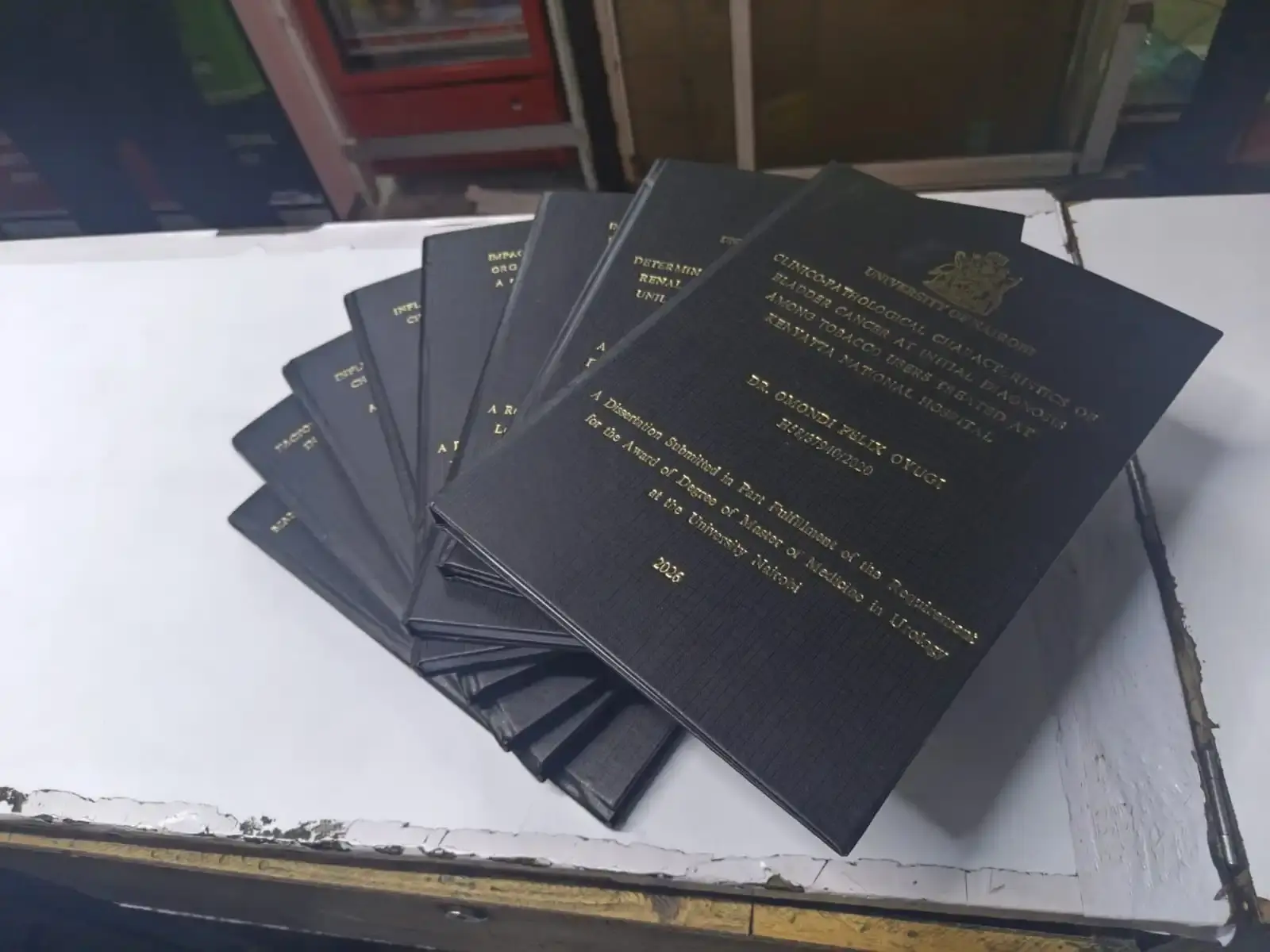
Hardcover binding uses a rigid cover around the document, giving it a book-like appearance and providing additional protection for the pages.
It is commonly used for documents that need to be retained, presented formally or stored for a long period. Examples include:
-
Theses
-
Dissertations
-
Research reports
-
Books
-
Academic publications
-
Corporate reports
-
Journals and records
-
Important institutional documents
The rigid cover helps protect the pages from bending, creasing and general handling.
Hardcover binding can also include finishing such as title and author information on the front cover or spine, depending on the specifications required.
What Is Spiral Binding?
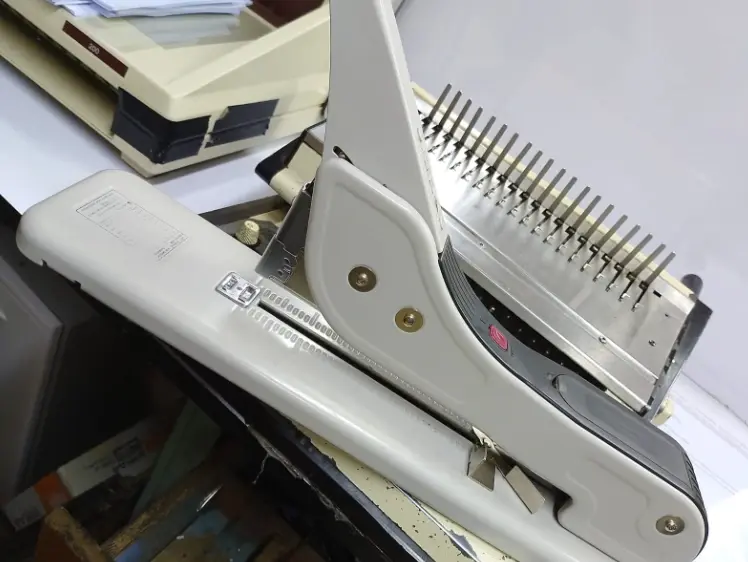
Spiral binding, also called coil binding, involves punching holes along one edge of the pages and inserting a continuous plastic or metal spiral through the holes.
Its biggest advantage is flexibility.
A spiral-bound document can generally open flat, making it convenient when you need to read, review or write on the document while keeping it open on a desk.
Spiral binding is commonly used for:
-
Thesis drafts
-
Student projects
-
Reports
-
Training manuals
-
Presentations
-
Workbooks
-
Study materials
-
Reference documents
Hardcover vs Spiral Binding
The main differences can be summarised as follows:
| Feature | Hardcover Binding | Spiral Binding |
|---|---|---|
| Cover | Rigid, hard cover | Flexible cover with spiral coil |
| Appearance | Formal and book-like | Practical and functional |
| Durability | High | Moderate |
| Opens flat | Usually limited | Yes |
| Easy to annotate | Less convenient | Very convenient |
| Protection | Excellent | Moderate |
| Cost | Generally higher | Generally lower |
| Best for | Final documents and permanent records | Drafts and working documents |
| Spine | Can have formal spine finishing | Coil rather than conventional spine |
Which Is More Durable?
Hardcover binding is generally more durable.
The rigid cover provides greater protection to the pages and makes hardcover suitable for documents that will be stored or handled repeatedly over a long period.
Spiral binding is still practical and useful, but the exposed coil and flexible covers make it better suited to documents where ease of use is more important than long-term protection.
For example, a thesis that will be placed in a university library or kept as a permanent record may benefit from a durable hardcover finish.
Which One Opens Flat?
This is where spiral binding has a major practical advantage.
A spiral-bound document can open flat on a desk, making it easier to:
-
Read while working
-
Make handwritten corrections
-
Review several pages
-
Take notes
-
Use the document as a reference
This is one reason spiral binding is particularly useful for thesis drafts and documents that are still being reviewed.
Hardcover documents generally provide a more book-like reading experience but are not as flexible as spiral-bound documents.
Which Is More Professional?
The answer depends on what you are using the document for.
For a formal final document, hardcover provides a more traditional book-like presentation. This makes it suitable for theses, dissertations, formal reports and documents intended for long-term storage.
Spiral binding has a more practical appearance. It is particularly useful when the document needs to be opened repeatedly or laid flat while being used.
Therefore, a professional-looking document does not necessarily mean that hardcover is always the appropriate choice. The intended use should determine the binding method.
Hardcover or Spiral Binding for a Thesis?
This is one of the most common questions students ask.
Spiral Binding for a Thesis Draft
Spiral binding can be useful when your thesis is still being reviewed.
For example, you may give a spiral-bound copy to your supervisor so that they can easily go through the chapters and write comments or corrections.
The ability to open the document flat makes this particularly convenient.
Hardcover for a Final Thesis
Hardcover is generally more appropriate when a university requires a formal, durable final copy.
It provides a rigid cover and protects the document for long-term storage.
However, university requirements differ, so students should always check their department or institution's current thesis-submission requirements before ordering the final copies.
Do not assume that a particular binding method will be accepted simply because it is commonly used elsewhere.
Which Is Cheaper: Hardcover or Spiral?
In general, spiral binding is less expensive than hardcover binding.
The final price, however, depends on factors such as:
-
Number of pages
-
Number of copies
-
Cover material
-
Binding materials
-
Finishing
-
Printing requirements
-
Document size
If you are printing and binding a thesis, remember that printing and binding are separate components of the total cost unless the printer provides them as a combined package.
For a current quotation, provide the printer with the page count, number of copies and required binding type.
Can You Use Spiral Binding for a Final Thesis?
That depends on your university's requirements.
Some institutions may specify hardcover or another particular binding method for final submission, while spiral binding may be suitable for drafts or working copies.
Before printing several final copies, check your university's guidelines for:
-
Binding type
-
Cover colour
-
Cover material
-
Title and author information
-
Spine requirements
-
Number of copies
-
Paper specifications
This can help you avoid having to reprint and rebind your thesis.
Hardcover vs Spiral Binding: Which Should You Choose?
The choice ultimately depends on the purpose of the document.
Choose hardcover when:
-
You need a durable document
-
The document is a final thesis or dissertation
-
The document will be archived
-
You want a formal, book-like appearance
-
The document needs additional protection
Choose spiral binding when:
-
You are producing a thesis draft
-
The document needs to open flat
-
You expect to make handwritten corrections
-
You are producing a report or manual
-
Ease of use is more important than archival durability
In simple terms:
Hardcover = durability, protection and formal presentation.
Spiral = flexibility, convenience and easy page access.
Thesis and Document Binding in Nairobi
If you need thesis, dissertation, project or document binding in Nairobi, the appropriate option depends on the document's purpose, page count and required finish.
Tradecraft Printers offers binding services in Nairobi CBD, including hardcover and spiral binding, as well as other options such as Velo and tape binding.
The business is located at Mfangano Trade Centre in Nairobi and can handle printing and binding for academic and professional documents.
Frequently Asked Questions
Is hardcover better than spiral binding?
They serve different purposes. Hardcover provides greater durability and a formal presentation, while spiral binding provides greater flexibility and allows the document to open flat.
Is spiral binding suitable for a thesis?
Spiral binding can be useful for thesis drafts and working copies. For a final submission, check your university's specific requirements before choosing the binding method.
Is hardcover binding more expensive than spiral binding?
Generally, yes. Hardcover requires a rigid cover and additional finishing, while spiral binding uses a coil and flexible covers.
Can hardcover binding be used for books?
Yes. Hardcover is commonly used for books, theses, research publications, records and other documents that need a durable, book-like finish.
Can spiral binding open completely flat?
Yes. One of the main advantages of spiral binding is that it can open flat, making the document easier to read, annotate and use as a reference.
Which binding should I use for my thesis?
Check your university's submission requirements first. For a draft that needs to be reviewed and corrected, spiral binding can be convenient. For a final copy requiring a durable, formal finish, hardcover may be specified.
Get Thesis and Document Binding in Nairobi
Whether you need a spiral-bound draft, hardcover thesis, dissertation, project or professional report, the right binding method depends on how the document will be used and the requirements it needs to meet.
For thesis printing and binding in Nairobi CBD, contact Tradecraft Printers for a quotation based on your document specifications.
Tradecraft Printers
Mfangano Trade Centre, Ground Floor, Shop G3
Nairobi CBD, Kenya
Phone: +254 713 445 339
Email: info@tradecraft.co.ke